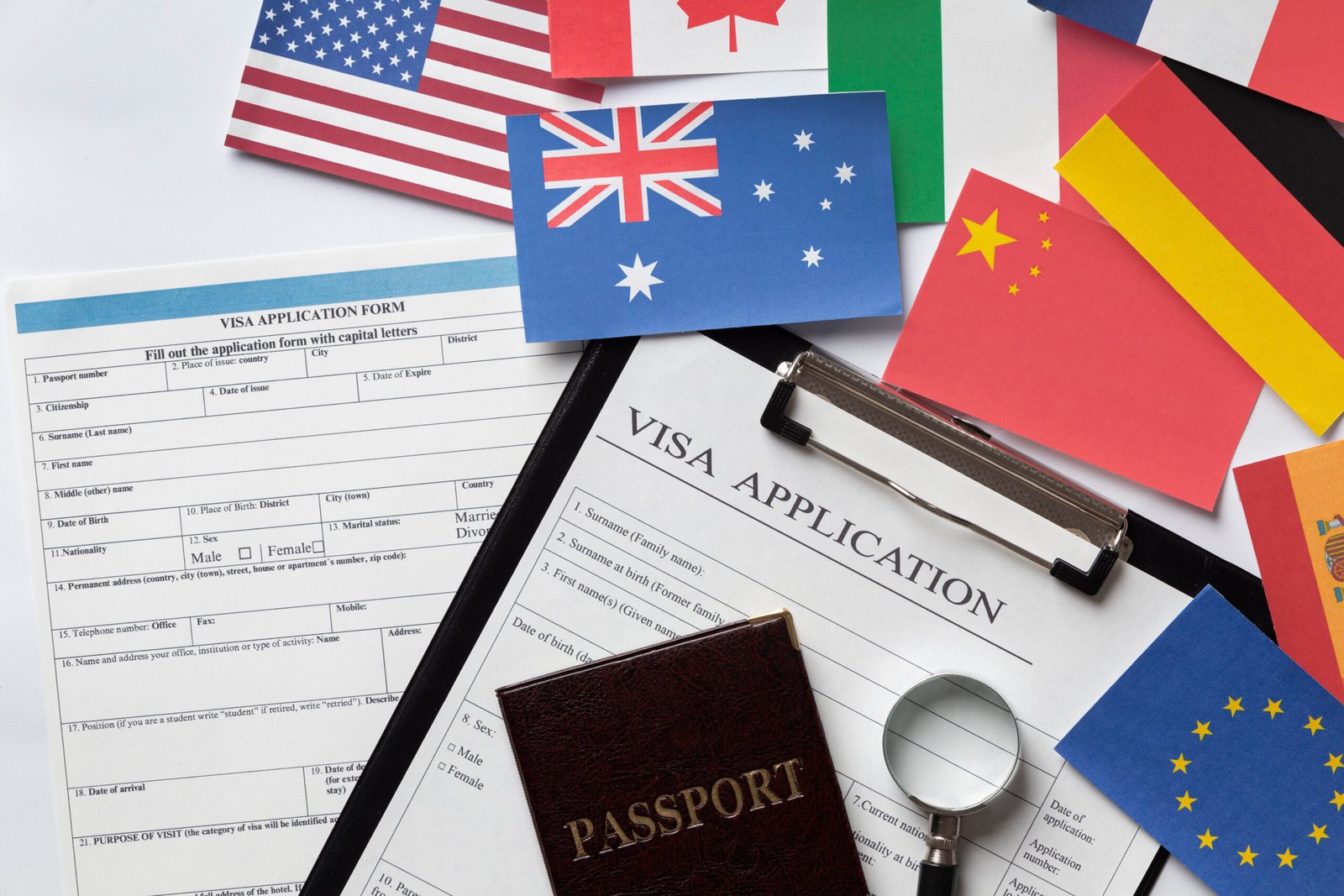
If you are sending documents abroad for a visa, a job, school, or marriage, you will likely be asked for two separate things: an authenticated document and a translation of it. The two are easy to confuse, and getting the order or the format wrong is one of the most common reasons applications get delayed or rejected.
This guide explains what a certified translation is, when Philippine documents actually need one, and how it fits together with the apostille process. By the end you will know exactly what to ask for before you submit anything overseas.
What is a certified translation?
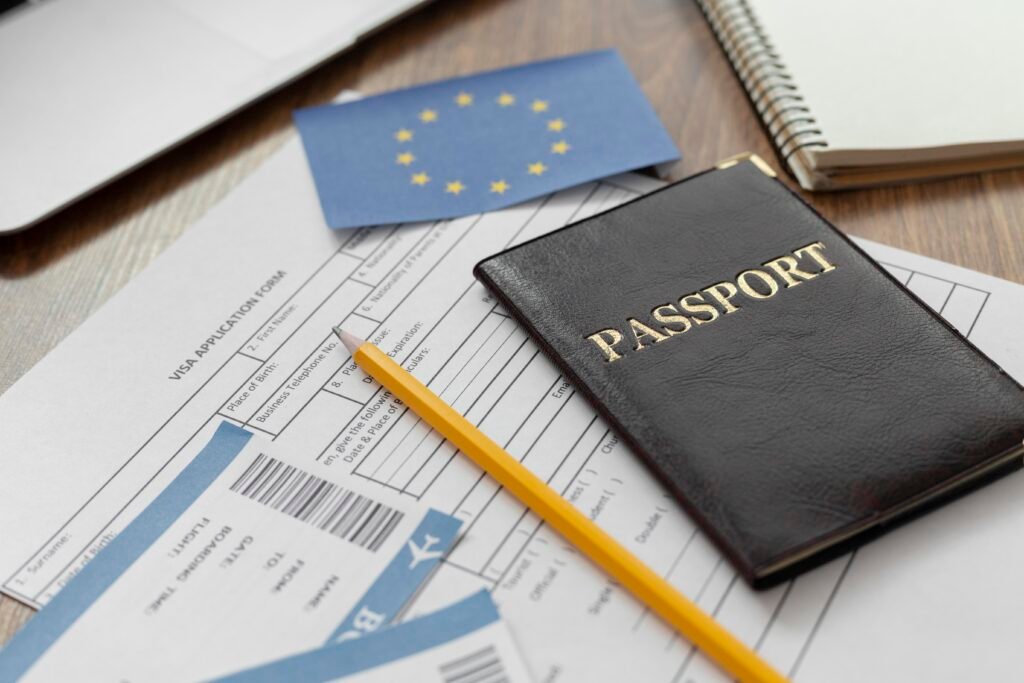
A certified translation is one that comes with a signed statement from the translator or translation company confirming that it is complete and accurate. That statement is what makes it “certified.” The translation itself is not enough on its own. The certification is the part that authorities rely on.
A proper certified translation usually includes the translated document, a signed certification of accuracy, the translator’s or company’s name and contact details, and the date. Some receiving authorities also ask for the certification to be notarized.
Because the certification carries professional accountability, certified translations are the standard format accepted by embassies, government agencies, courts, and universities. When an institution says it needs an “official” translation, a certified translation is almost always what it means.
Certified, notarized, and sworn translation: What is the difference?
These three terms get used interchangeably, but they are not the same thing. The distinction matters because asking for the wrong one can cost you a second trip and another fee.
| Type | What it actually confirms | Who provides it | Where you see it |
| Certified translation | This certification confirms that the translation is complete and accurate. | The translator or translation company provides a signed certification to confirm that the translation is complete and accurate. | Embassies, immigration, universities, most government agencies |
| Notarized translation | The identity of the person who signed the certification, not the quality of the translation | A notary public is added to the certification. | Authorities that specifically request notarization |
| Sworn translation | The accuracy of the translation is ensured by a government-appointed translator. | A registered sworn or official translator | Many civil-law countries, such as parts of Europe and Latin America |
One point that trips up many Filipinos: the Philippines does not run a “sworn translator” registry the way some civil-law countries do. Here, the normal route is a certified translation from a qualified professional, notarized if the receiving authority asks for it. If a foreign institution insists on a “sworn translation,” the practical equivalent in the Philippine setting is usually a certified and notarized translation. When in doubt, ask the receiving authority what they will accept in writing.
When do you need a certified translation?
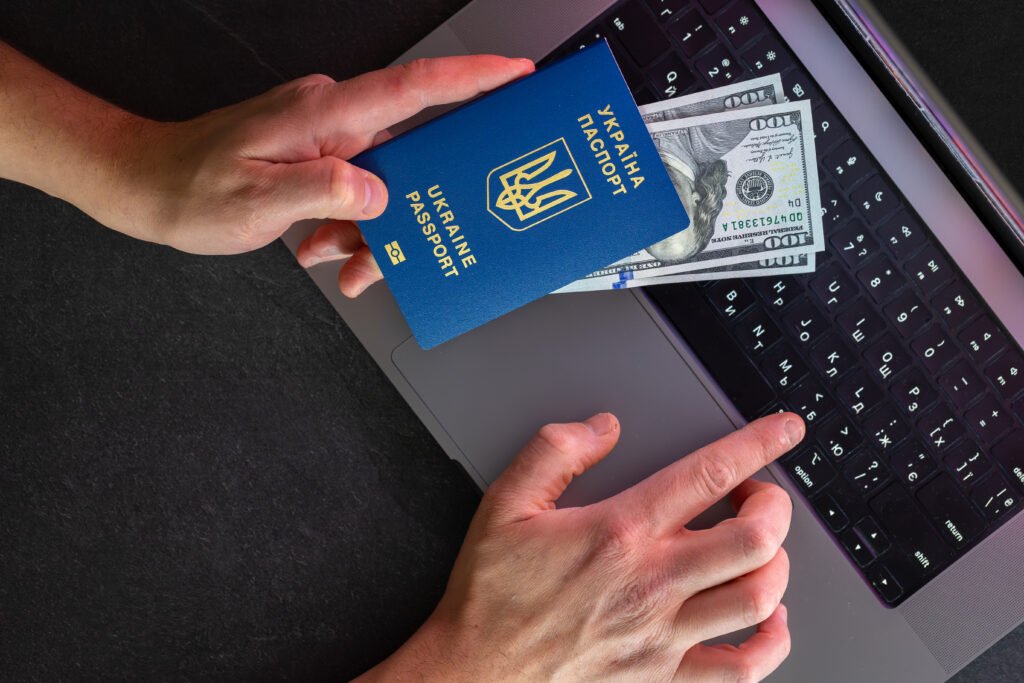
You need a certified translation whenever a document in one language has to be officially understood and accepted by an authority that works in another language. The most common situations for documents leaving the Philippines are:
- Immigration and visa applications. Consulates and immigration offices routinely require certified translations of civil records and supporting documents.
- Overseas employment. Filipino workers heading abroad are often asked to translate clearances, certificates, and credentials for employers or labor authorities.
- Studying abroad. Universities and student visa offices want certified translations of diplomas, transcripts, and certificates of enrollment.
- Marriage, dual citizenship, and family matters abroad. Birth and marriage certificates frequently need certified translations for foreign civil registries.
- Legal and business use. Contracts, court filings, and corporate records used in another jurisdiction need accurate, accountable translations.
The documents that most often need certified translation include PSA birth, marriage, and death certificates, the CENOMAR, NBI clearance, diplomas and academic transcripts, and various legal contracts and court documents.
How certified translation works with apostille
This is the part most people misunderstand, so it is worth being precise.
Since 14 May 2019, the Philippines has been a member of the Hague Apostille Convention. On that date the Department of Foreign Affairs replaced the old “red ribbon” authentication with the apostille, a certificate that confirms a Philippine public document is genuine so it can be used in other member countries without further embassy legalization.
Here is the key thing: an apostille proves that your document is authentic. It does not translate it. Authentication and translation are two different steps that solve two different problems. The apostille answers, “Is this document real?” The certified translator answers, “What does it mean in our language?”
For documents used abroad, the general sequence looks like this:
- Secure the official issued document, for example, a PSA copy of a birth certificate.
- Have it apostilled by the DFA if the destination is an apostille convention country.
- Obtain a certified translation if the receiving authority needs the document in another language.
In some cases, the order is reversed, and the receiving authority wants the translation prepared and notarized first, followed by the notarized translation apostilled. Because the exact sequence depends on the destination country and the specific institution, confirm their requirement before you start. A few minutes of checking saves a wasted trip to the DFA.
One more caveat worth knowing: a handful of countries are not part of the Apostille Convention or objected to the Philippines joining it. For those destinations, the older legalization process through the embassy still applies. Again, the receiving authority is the source of truth.
Why human-certified translation is relevant for official documents

Machine translation has improved, but it cannot do the one thing official documents require: take responsibility for accuracy. A certification is a professional standing behind the work. An automated tool cannot sign that statement, cannot be held accountable for an error, and cannot read the legal or cultural context that determines whether a term is rendered correctly.
For official documents the stakes are practical. A mistranslated name, date, or legal term can get an application bounced, and a rejection can mean weeks of delay and another round of fees. This is why embassies, courts, and government agencies expect translations done and certified by qualified human translators.
At Cyberscribe OPC, every translation is completed by a professional human translator, with no AI engines or machine post-editing at any stage. We have provided professional human translation services in the Philippines since 2004, working with native Filipino translators across English, Tagalog, Cebuano, Ilocano, Hiligaynon, and Pangasinan.
How to get a certified translation in the Philippines
The process is straightforward when you work with an established provider:
- Gather your documents. Get the officially issued copies and apostille them first if you already know the destination requires it.
- Choose a professional translation provider. For official use, work with a team that produces accountable, human-certified translations accepted by embassies, agencies, and courts.
- Request a quote and timeline. Share your documents and target language so you get a clear price and turnaround.
- Translation and quality review. A qualified translator handles the work, and a reviewer checks accuracy and consistency.
- Receive your certified translation. You get the translated document with its certification, plus notarization or apostille handling if your case needs it.
If you have documents to prepare, our certified document translation services cover official, legal, academic, and business records. You can request a free quote and get a timeline within 24 hours.
Frequently asked questions
Is a certified translation the same as a notarized translation?
No. A certified translation includes a signed statement of accuracy from the translator or company. A notarized translation adds a notary public who verifies the identity of the person signing that statement. The notary does not check the quality of the translation. Some authorities want both, so confirm what your receiving institution requires.
Do I need to apostille my translation?
Sometimes. The apostille authenticates a public document, while the certified translation makes it readable in another language. Certain authorities ask for the translation to be notarized and then apostilled, while others only need the original document apostilled and a certified translation attached. Check with the receiving authority before you begin.
Which documents most often need certified translation?
PSA birth, marriage, and death certificates, the CENOMAR, NBI clearance, diplomas and transcripts, and legal contracts or court documents are the most common, especially for visa, immigration, employment, study, and marriage purposes abroad.
Can I use AI or machine translation for official documents?
It is not advisable. Official documents need a human translator who can certify accuracy and be held accountable for it. Machine output cannot sign a certification, and errors in names, dates, or legal terms can lead to rejected applications.
Does the Philippines have sworn translators?
The Philippines does not operate a sworn-translator registry like some civil-law countries. The standard local equivalent is a certified translation from a qualified professional, notarized when the receiving authority requests it.
How long does a certified translation take?
It depends on the document, the language pair, and the volume. A good provider will give you a clear timeline upfront, with rush options for urgent cases.
Preparing documents for use abroad is stressful enough without guessing at the requirements. If you know what the receiving authority needs and you work with an accountable human translation team, certified translation becomes the simple step it should be. When you are ready, get a free quote from Cyberscribe OPC, and we will map out exactly what your documents need.