
If you are sending a Philippine document abroad for a visa, a job, school enrollment, or a marriage, you will almost always be asked to have it apostilled first. The apostille is what tells a foreign government that your birth certificate, diploma, or clearance is genuine.
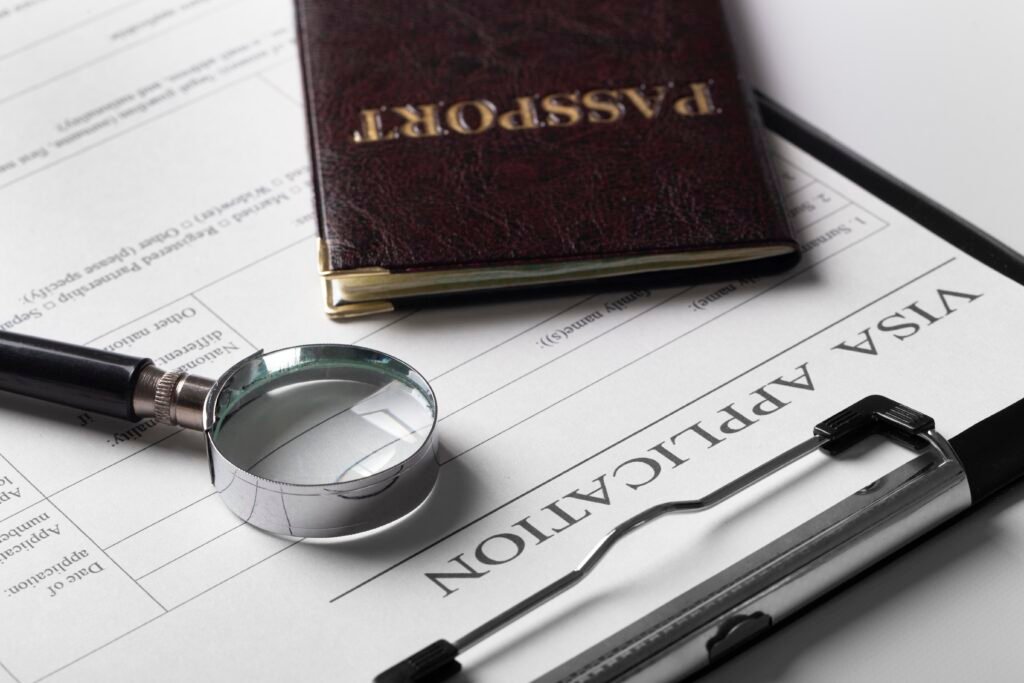
This guide explains what an apostille is, which documents need one, the DFA requirements and fees, how long it takes, and the fully online e-Apostille option. It also covers the step most people forget: an apostille is not a translation, and many documents need both.
What is an apostille?
An apostille is a certificate issued by the Department of Foreign Affairs (DFA) that authenticates the origin of a Philippine public document, meaning it confirms the signature and seal on the document are real. Once a document carries an apostille, it is recognized in any other country that belongs to the Hague Apostille Convention, with no further embassy legalization needed.
An apostille does not check what your document says, and it does not translate it. It only confirms the document is authentic. More than 120 countries are members of the Convention, which is why a single apostille now works across most of the world.
Apostille vs. red ribbon: What changed?
Since 14 May 2019, the Philippines has been a party to the Apostille Convention, and the DFA stopped issuing the old “red ribbon” authentication. The “red ribbon” term is now obsolete.
The change made the process much simpler. Before, a document for use abroad had to pass through three steps: certification by the relevant Philippine agency, authentication by the DFA, and then legalization by the destination country’s embassy in Manila. The apostille collapses that into a single certificate.
| Red ribbon (before 2019) | Apostille (now) | |
| Issued by | DFA | DFA |
| Steps to use abroad | Agency certification, DFA authentication, then embassy legalisation | Agency pre-certification, then one DFA apostille |
| Recognized by | The specific destination, after its embassy signed off | All Apostille Convention members directly |
| Status | Discontinued | Current standard |
When do you need an apostille?
You need an apostille whenever you have to present a Philippine-issued public document to an authority in another convention member country. The most common reasons are the following:
- Applying for a work visa or overseas employment
- Studying abroad or enrolling in a foreign school
- Getting married overseas or to a foreign national
- Immigration, dual citizenship, and family petitions
- Submitting Philippine legal or corporate documents to foreign agencies
Two limits are worth remembering. An apostille is only for documents used abroad, so a document meant for use inside the Philippines cannot be apostilled. And it only works for destinations that are part of the Convention, which is covered further down.
Which documents can be apostilled, and what they need first
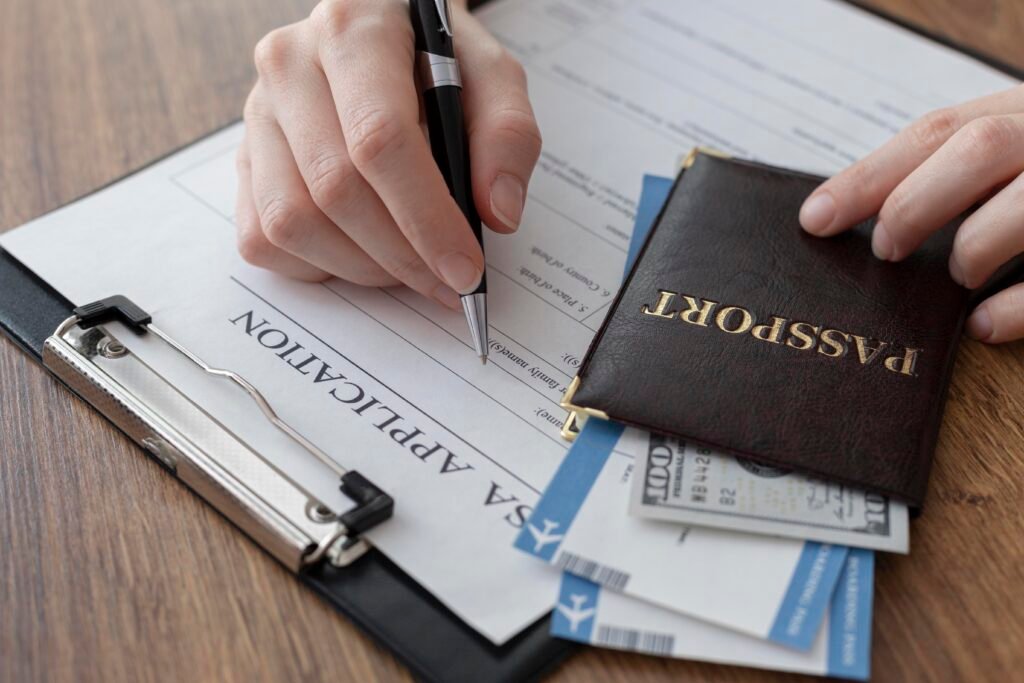
This is where most delays happen. Before the DFA will apostille a document, most documents need a pre-certification from the agency that issued them. Which one depends on the document type.
| Document | What it needs before the DFA apostille |
| PSA birth, marriage, death certificate, or CENOMAR | An official PSA copy on security paper (or the PSA electronic certificate for e-Apostille) |
| College and postgraduate records (diploma, transcript) | A Certification, Authentication, and Verification (CAV) from CHED, now available online as eCAV |
| Elementary and high school records | A CAV from the Department of Education (DepEd) |
| Technical and vocational records | Certification from TESDA |
| NBI clearance | A valid NBI clearance issued for apostille or travel-abroad purposes |
| Court documents and decisions | Certification from the issuing court |
| Notarized private documents (affidavits, Special Power of Attorney) | Notarisation plus a Certificate of Authority for a Notarial Act (CANA) from the supervising Regional Trial Court |
Missing pre-certification, especially a missing school CAV, is one of the most common reasons documents get turned away at the counter. Sort this out before you book anything.
DFA apostille fees and processing time
As of 2026, the DFA charges the same modest fee regardless of document type. Fees are per document.
| Service | Fee | Release time |
| Regular processing | PHP 100 | After 5 working days |
| Expedited processing | PHP 200 | After 2 working days |
| e-Apostille | PHP 200 | After about 1 working day |
A few practical notes. The online appointment system collects payment when you book, and the booking fee covers your first document, with additional documents charged separately. These DFA fees do not include the cost of the underlying document, such as a PSA copy or a CHED CAV, and they do not include courier charges if you ask for delivery.
Because these are government fees and procedures, they can change. Always confirm the current rates and rules on the DFA’s official portal before you go.
How to get a document apostilled, step by step
- Confirm the destination accepts apostilles.
- Check that the receiving country is an Apostille Convention member and that it has not objected to the Philippines’ membership (see below).
- Prepare the document and its pre-certification.
- Get the official copy and the required CAV, court certification, or CANA for your document type.
- Book an appointment.
- Reserve a slot through the DFA appointment portal at appointment.apostille.gov.ph, or use the e-Apostille route if your document qualifies. Slots can fill quickly, so book ahead.
- Pay the fee.
- Most branches now require online payment at booking.
- Submit your documents.
- Go to your chosen DFA office on your appointment date, present your documents and a valid ID, and keep your claim stub. The main authentication office is at DFA Aseana, with satellite consular offices in several malls and regions.
- Claim or receive your apostille.
- Return on the release date for paper apostilles, or receive a digital one by email if you used e-Apostille.
- Verify it.
- You can confirm an apostille by scanning its QR code or checking the DFA’s online verification registry.
If you cannot go yourself, an authorized representative can file and claim for you with a signed authorization letter and valid IDs for both of you. If the document owner is a minor, a special power of attorney (SPA) from a parent is required, and if that parent is abroad, the SPA must be notarized at a Philippine embassy or consulate.
e-Apostille: The fully online option
Since 16 March 2026, the DFA has offered a fully digital e-Apostille. It currently covers PSA electronic certificates, which are the digital versions of birth, marriage, and death certificates and the CENOMAR, as well as CHED eCAV documents.
For these documents you can complete the process online without an in-person appointment, usually within about one working day, and receive a digital apostille that can be verified electronically. If your document is not in this category, you still need the in-person route for now.
Countries that do not accept the Philippine apostille
The apostille only works between member countries. For destinations that are not part of the convention and for the small number of countries that objected to the Philippines’ membership, namely Finland and Germany, the older process still applies: DFA authentication followed by legalization at the destination country’s embassy or consulate.
One more point that catches people out: an apostille itself has no expiry date, but many receiving authorities require documents that were issued recently, often within the last six months. Always check the receiving authority’s exact requirement before you start.
After the apostille: Do you also need a translation?
Here is the step most guides leave out. An apostille proves your document is genuine, but it does nothing about language. If the country receiving your document does not use the language it is written in, you will usually need a translation as a separate requirement, and that translation often has to be certified. In some cases the receiving authority wants the notarized translation itself to be apostilled.
This is the part we handle. CyberScribe OPC does not process DFA apostilles, but once your document is authenticated, we provide the certified document translation services that embassies, agencies, and courts accept, completed by professional human translators with no machine translation involved. If you want to understand how that side works, our guide to certified translation in the Philippines explains when you need it and the difference between certified, notarized, and sworn translation.
Frequently asked questions
How much does an apostille cost in the Philippines?
The DFA charges PHP 100 for regular processing and PHP 200 for expedited or e-Apostille processing, per document. On top of that, you pay for the document itself, such as a PSA copy, and any courier fee. Confirm current rates on the DFA portal, as government fees can change.
How long does an apostille take?
Regular processing is released after five working days, expedited after two, and e-Apostille in about one working day. Build in extra time to obtain the document, secure any pre-certification, and book an appointment slot.
Does an apostille expire?
The apostille certificate itself has no expiry date. However, many foreign authorities require the underlying document to have been issued recently, often within six months, so check the specific requirement of the office receiving it.
Can someone else process the apostille for me?
Yes. An authorized representative can file and claim with a signed authorization letter and valid IDs for both parties. A special power of attorney is required for a minor’s documents, notarized at a Philippine embassy if the parent is abroad.
Do I need an appointment?
For in-person paper apostilles, yes, through appointment.apostille.gov.ph. For eligible PSA and CHED documents processed through e-Apostille, no appointment is needed.
Is an apostille the same as a certified translation?
No. An apostille authenticates that a document is genuine. A certified translation makes it readable and officially accepted in another language. Many documents going abroad need both. See our certified translation guide for details.
Which countries accept the Philippine apostille?
More than 120 Apostille Convention members accept it directly. Non-member countries, including Finland and Germany, still require the traditional embassy legalization process.
Once your documents are authenticated and you know which ones need to be translated, the translation step should be the easy part. CyberScribe OPC has delivered human-certified translation in the Philippines since 2004, accepted by embassies, government agencies, and courts. Request a free quote and we will tell you exactly what your documents need.